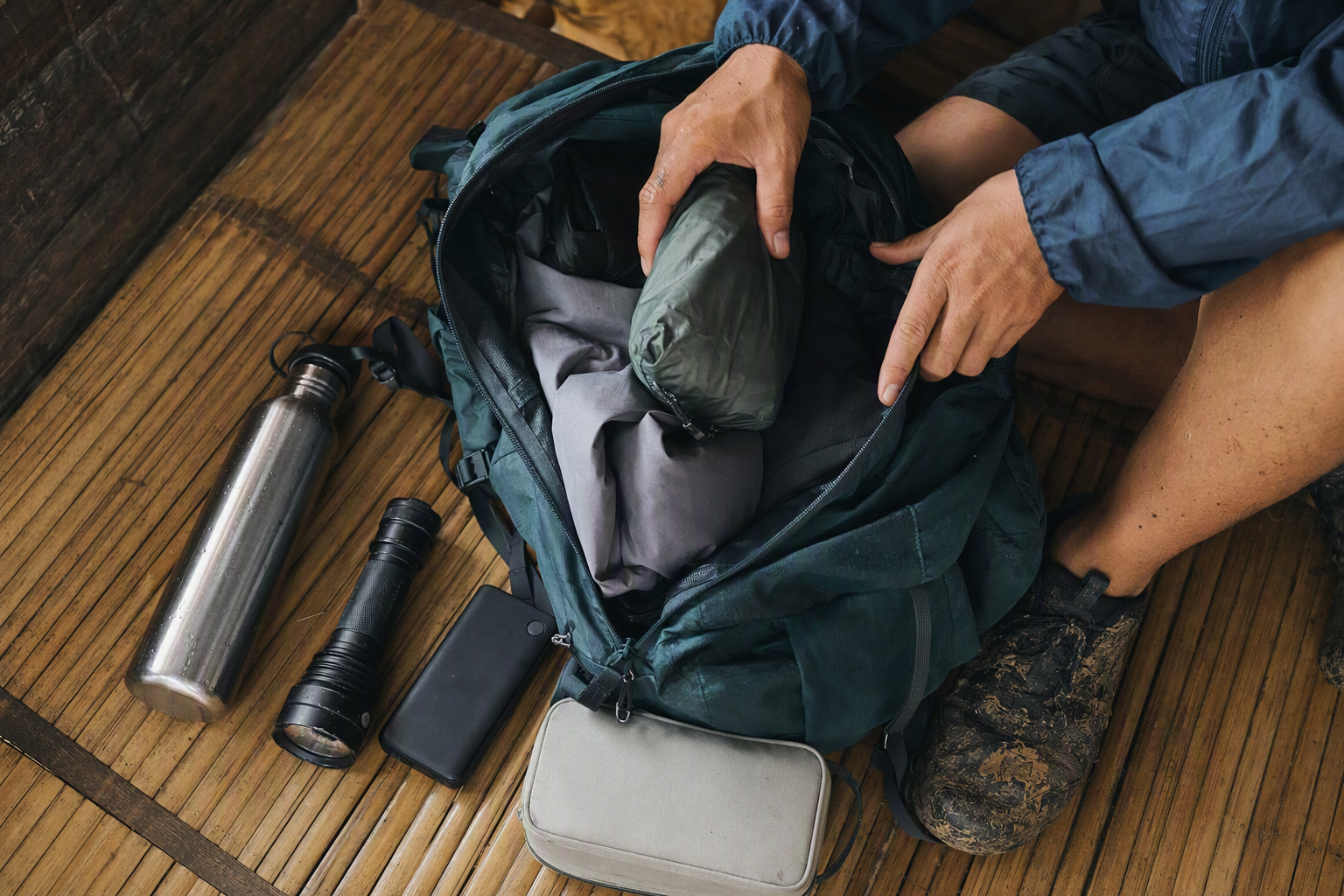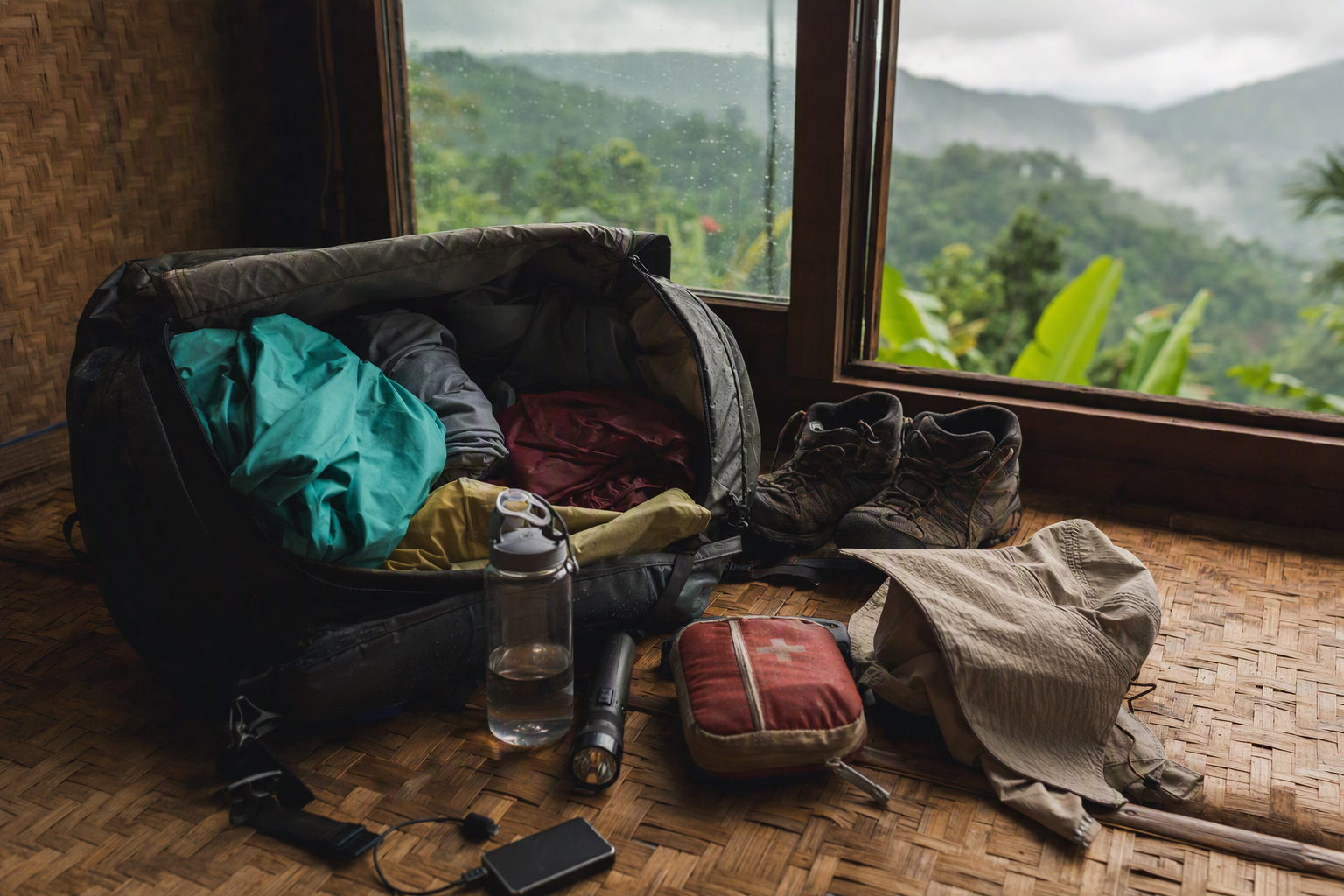
1. The compact core for almost every trip
Start with items that support transport, hydration, communication and changing weather. Then add only what your confirmed route requires. A smaller bag is easier to control on steps, slopes and crowded transport.
- Comfortable closed shoes with useful grip
- Refillable drinking-water bottle
- Phone, charging cable and charged power bank
- Light rain shell or packable poncho
- Small personal first-aid and prescribed medicine
- Sun protection, insect repellent and basic toiletries
- Reusable dry bag or zip pouch for electronics and documents
- A small bag for carrying your own litter out
2. Choose layers, grip and quick drying
Lightweight, breathable clothing works across warm travel and active walking. Add a modest warm layer for an air-conditioned coach or a cooler morning. Quick-drying fabrics are easier after rain than heavy cotton. Carry one dry change at your accommodation rather than taking every spare item on the trail.
| Condition | Add | Avoid assuming |
|---|---|---|
| Rainy or wet period | Rain shell, dry pouch, spare socks, strong shoe grip | That a covered umbrella alone works on a trail |
| Cooler morning or coach | Light insulating layer or shawl | That daytime heat means the whole journey feels warm |
| Hot, brighter period | Hat, sunscreen, extra water plan | That shade removes dehydration risk |
Before departure, check a current weather forecast and ask about the specific route surface. Forecasts can miss highly local conditions, so use them as one input rather than a guarantee.
3. Add gear for the actual route
For Alutila Tourist Centre and Cave
- A reliable torch, ideally with a backup light across the group
- Footwear that remains stable on steps and damp ground
- A hands-free or easy-to-secure bag
A phone flashlight is useful as backup but should not be the only group light. Read the Alutila visitor guide before adding the cave to your day.
For Richhang Waterfall
- Closed shoes with grip, not smooth-soled fashion footwear
- Dry protection for phone, money and any necessary medicine
- A small towel and a sealed bag for wet items
Do not pack as if entry into fast water is required. The safer goal is a stable approach and return. Current rain and route advice should override the list.
For markets, parks and lighter town stops
Keep the daypack simple: water, weather layer, phone, cash backup and a reusable shopping bag. Ask before photographing sellers, craftspeople or other visitors.
4. Health, money and documents
Carry your usual medicine in original or clearly labelled packaging and keep essential doses with you during transport. Add plasters, antiseptic wipes and any clinician-recommended motion-sickness support you already use. This list is practical travel guidance, not medical advice.
- Identification and only the copies genuinely needed for the trip
- Booking references and accommodation contact available offline
- A modest cash backup in smaller denominations
- Emergency contact details shared within the group
- Relevant allergy, condition or medication information known by a companion
Do not expose all cash or documents at once. Keep a backup separately, and never assume every small local payment point accepts cards or digital payment.
5. Family and mixed-mobility additions
For children, add familiar snacks, an extra dry layer, hygiene supplies and a clearly labelled contact card. For older travellers, prioritise prescribed medicine, comfortable support, slower transfers and a seat plan. A walking stick or support should be used only if the traveller is already comfortable with it.
6. The 60-second daypack check
- Route: do you know today’s surface, walking level and return plan?
- Water: does everyone have access to enough?
- Weather: is the rain or sun layer easy to reach?
- Light: is the torch charged if the cave is included?
- Health: are essential medicines with the traveller?
- Phone: are key contacts and locations available offline?
- Weight: can each person safely carry their bag for the full walk?
Pair this list with the Complete Khagrachari Travel Guide and then arrange your stops in the one-to-three-day trip planner.