Choose a stay area by the next morning
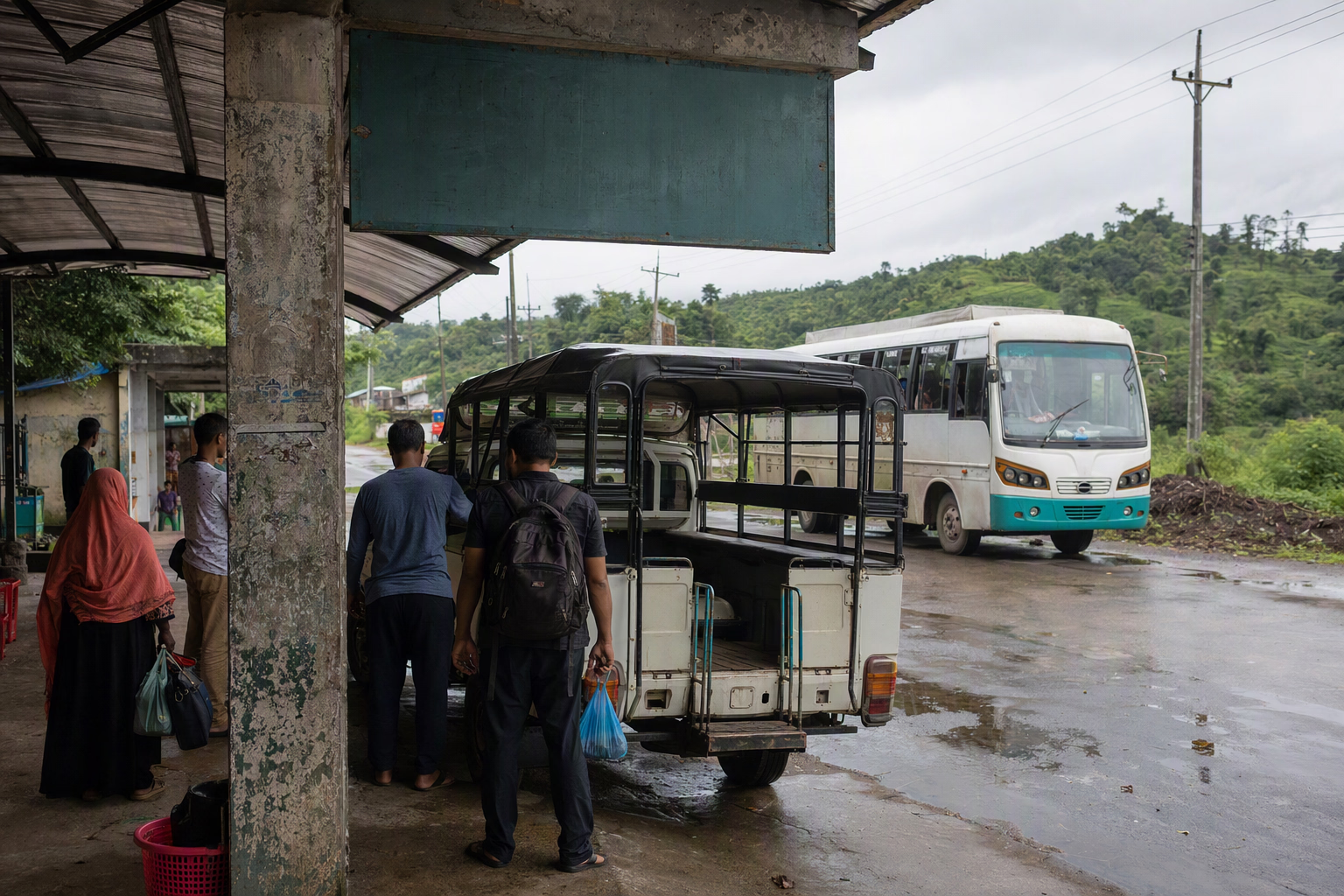
A town-based stay can simplify arrivals, food and early transport. A more remote stay may suit a single-area plan but can increase transfer complexity. Check recent access information, cancellation terms, generator or power expectations where relevant, room configuration and the precise map pin before committing.
Use budget categories, not invented totals
Separate long-distance transport, local vehicle, stay, meals, entry charges, guide or permit costs where applicable, and an emergency buffer. Ask for current written prices. A low room rate can be outweighed by extra transfers.
Prepare for the season you actually meet
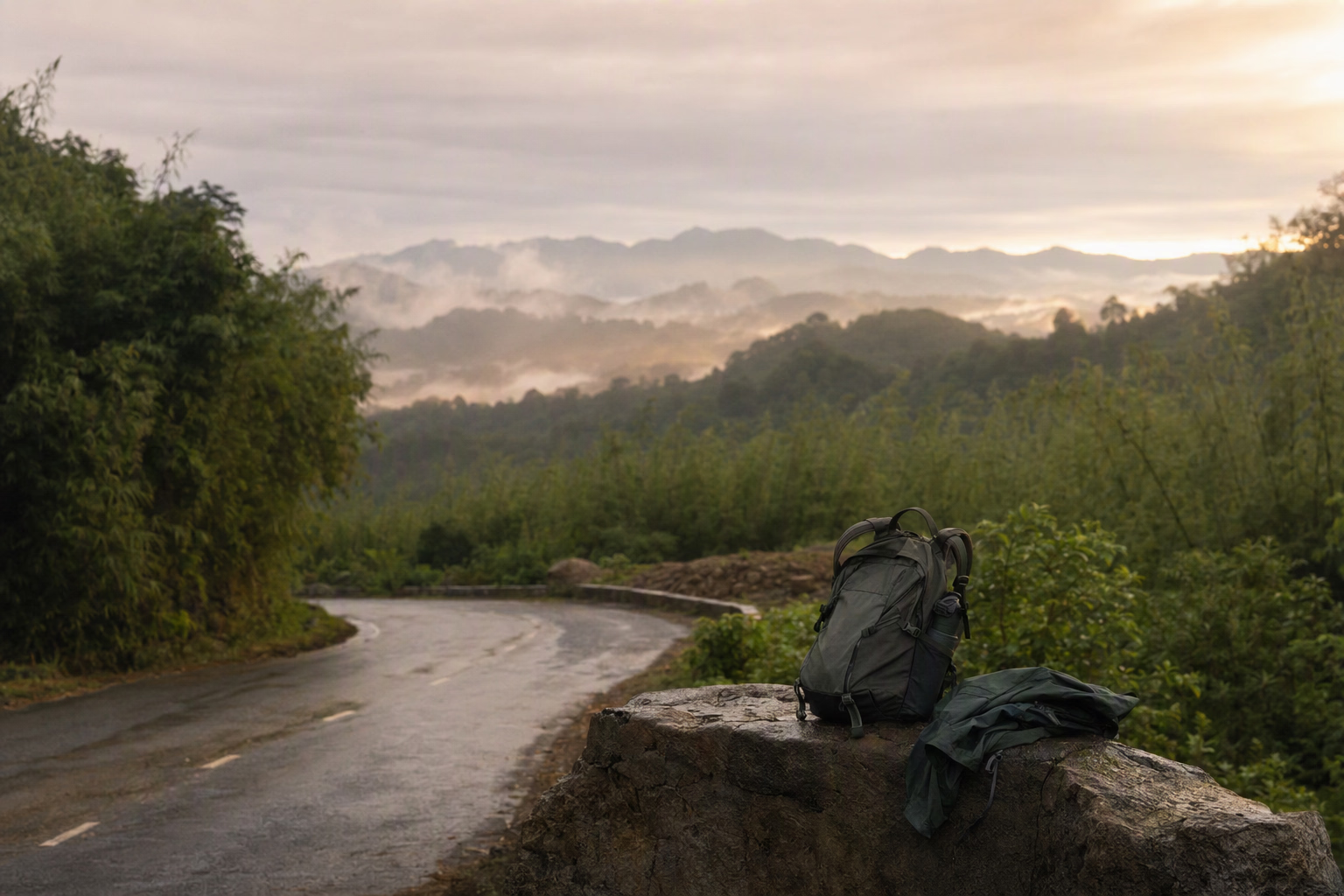
Rain can affect grip, visibility and road time. Heat changes water and rest needs. Cooler or windy hill periods require a light layer. Recheck the official weather forecast and local road guidance shortly before each outing.
Pack for terrain and uncertainty
Bring reliable footwear, rain or sun protection, water, personal medicine, a charged phone and power bank, copies of booking details and identity documents where officially required. Do not publish or send identity copies to unverified contacts.
Make safety decisions early
Avoid unfamiliar trails alone, keep a daylight return margin and stop if water, weather, visibility or road conditions worsen. Share the day’s route with someone you trust. Follow current instructions from competent local authorities.
Travel with cultural care
Ask before photographing people, homes, ceremonies, stalls or craft work. Dress and behave respectfully, keep noise low, avoid litter and do not describe a community as a tourist display. Buy with curiosity and without intrusive bargaining.