Khagrachari Tours
Respectful editorial still life of hill-region food, woven craft and natural materials

Eat, observe, ask, respect

Culture is not a backdrop

Khagrachari is culturally diverse and lived-in. Enjoy food, markets and craft as a guest: ask before photographing people, avoid reducing communities to a single “hill culture,” and let local context guide your choices.

Cultural context

Many communities, distinct identities

Khagrachari is home to communities including Tripura, Chakma, Marma and Bengali residents, among others. Community identities, languages, clothing, food and customs are not interchangeable. Bangla may help with many visitor interactions, but it should not be treated as evidence that everyone shares the same cultural background.

  • Ask before photographingSeek clear consent from the person, parent or responsible adult. A market purchase is not permission to take a portrait.
  • Respect places and ceremoniesFollow posted or locally communicated instructions. Do not enter private, sacred or ceremonial spaces because they look visually interesting.
  • Use specific, careful languageIf you do not know a person’s community identity, do not guess. “Local resident,” “seller” or “artisan” may be more respectful and accurate.
  • Let “no” be completeDo not pressure someone to pose, explain a custom, lower a price or perform cultural identity for your visit.
The most useful cultural skill is not knowing every answer. It is knowing when to pause, ask, listen and accept a boundary.

Food guide

Ask what is fresh today

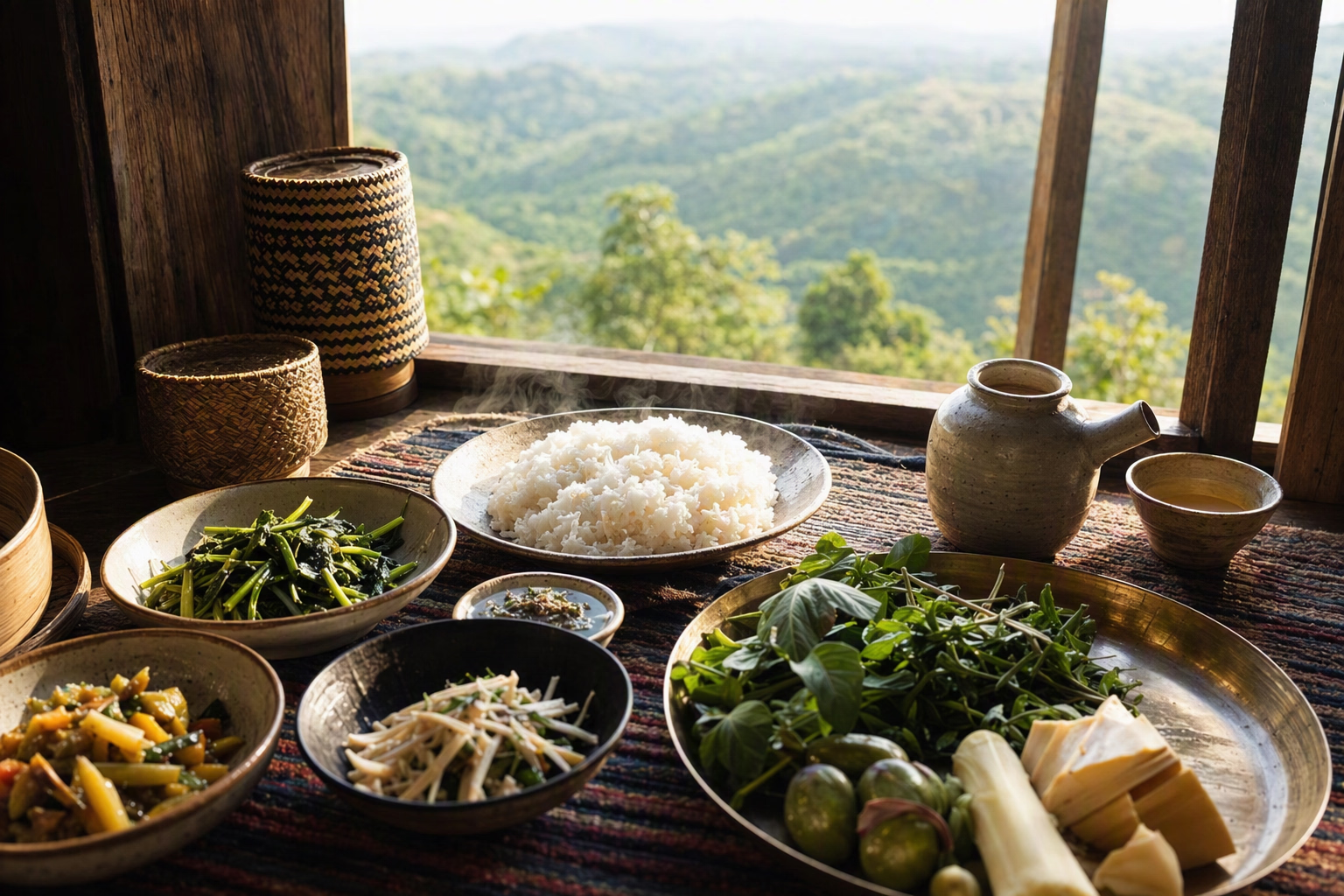
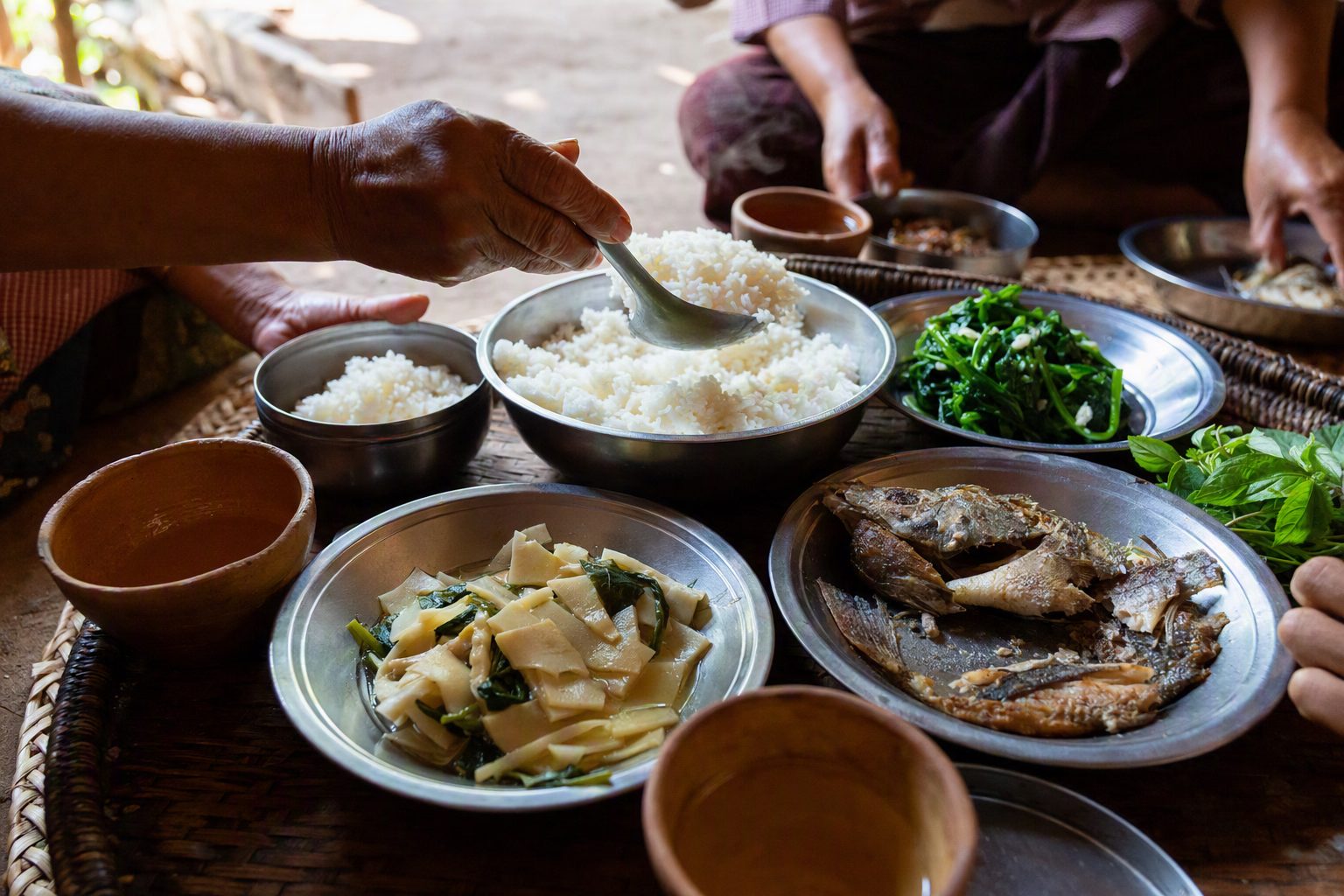
Local meals may feature rice, seasonal vegetables, bamboo-shoot preparations, fish, meat, herbs, chillies and preserved or fermented flavours. Exact dishes and ingredients vary by household, community, season and kitchen, so this guide describes categories rather than promising a particular vendor or menu.

Before ordering

Ask what is available now, how spicy it is and whether portions are suited to sharing.
Ingredient cautions

Mention allergies and ask specifically about fish, shrimp paste, meat, fermentation, nuts and cooking oil. Cross-contact may be possible.

Eat with context

Follow the host or server’s lead on serving style. If uncertain, a polite question is better than an assumption.
Availability note: Seasonal ingredients and small kitchens can change the day’s menu. Confirm ingredients directly, especially for allergies, vegetarian diets or religious dietary needs.
Editorial tabletop composition of rice, vegetables, herbs and hill-region food ingredients
Generated editorial artwork illustrating food categories, not a documentary image of a named restaurant or guaranteed menu.

Crafts and markets

Buy with curiosity, not pressure

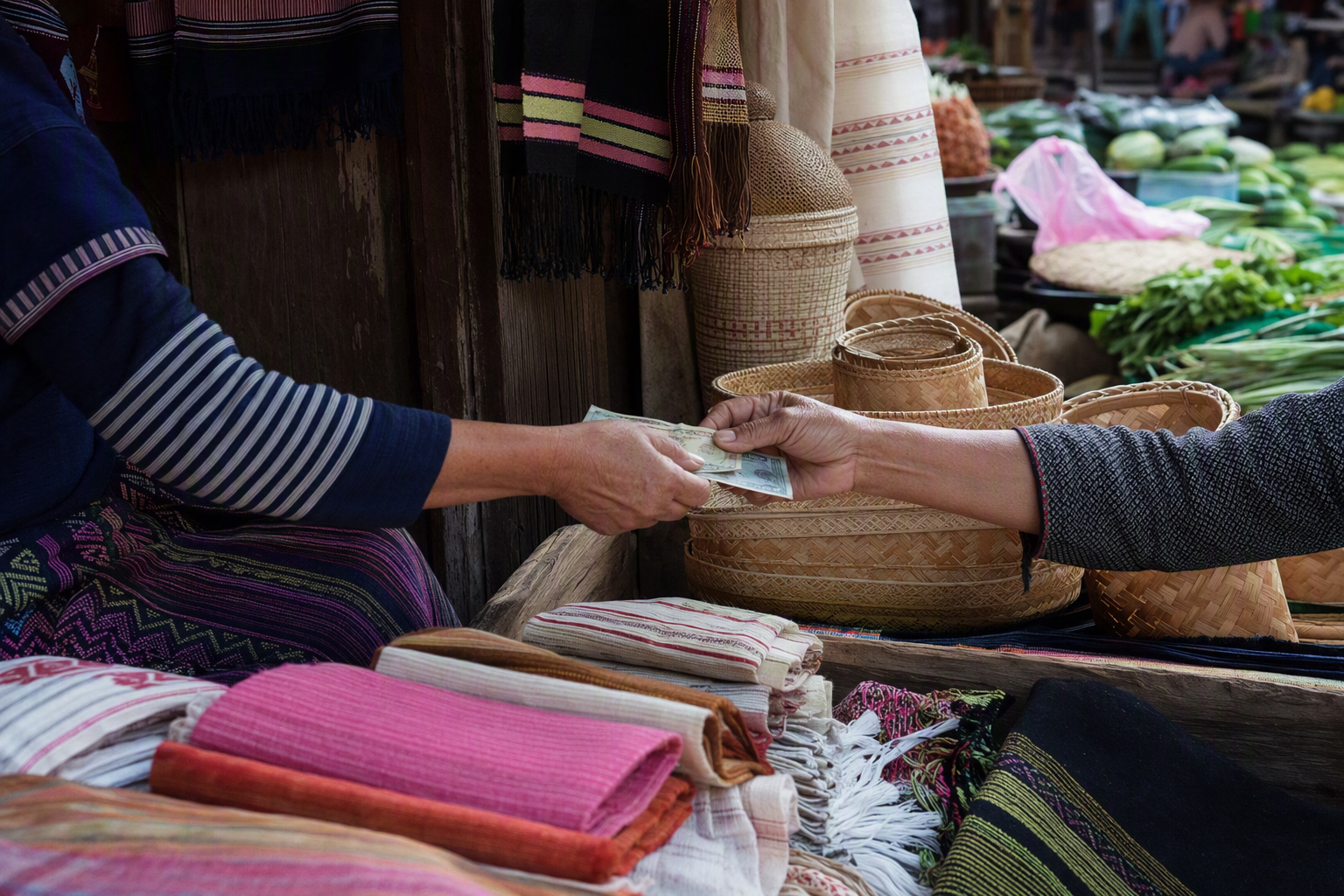
Handwoven textiles, baskets and other useful craft objects can carry skill, time and community-specific design knowledge. Ask who made an item and how it should be cared for, but avoid demanding a cultural story as part of the transaction.
  • Pay the agreed price fairly and negotiate politely where bargaining is customary.
  • Do not handle fragile textiles or personal items without permission.
  • Avoid products that appear to use protected wildlife, restricted forest materials or removed heritage objects.
  • Carry a reusable bag, refill water where safe and take non-biodegradable waste back with you.
  • Stay on established paths and do not damage plants, rock faces or water sources for photographs.
Editorial still life of woven textiles and market craft objects
Generated editorial artwork. Designs are illustrative and are not attributed to a specific artisan or community.
WhatsApp