Khagrachari works best as a base for layered, unhurried travel: a town arrival, one or two carefully selected nature or area routes, and enough time for food, markets and rest. Conditions can shift with rain, road work, local instructions and transport availability. Use this guide as a planning framework, then reconfirm volatile details close to travel.
1. Shape the trip before choosing places
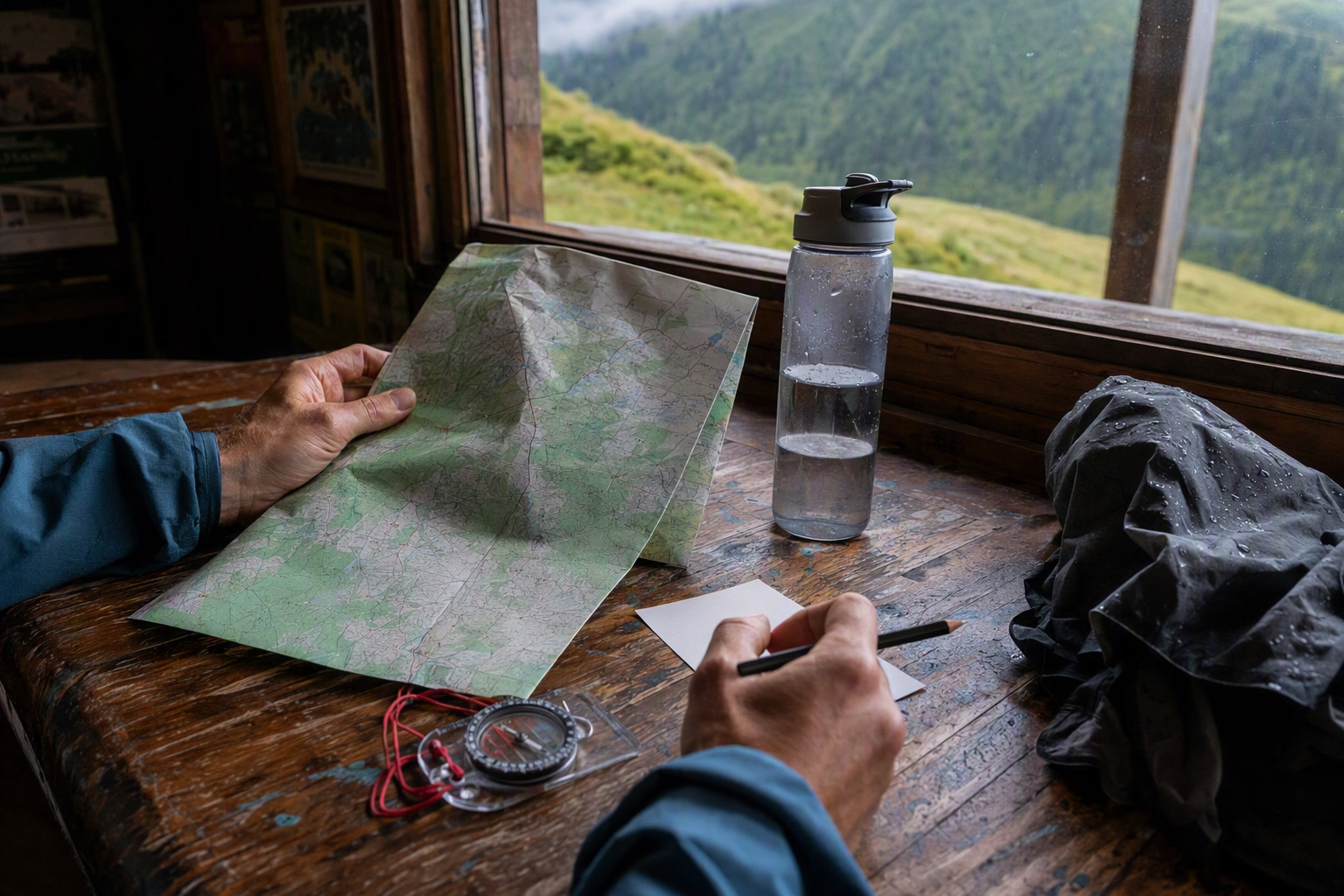
Start with nights, not attractions. Note when your group actually reaches Khagrachari and when the return journey must begin. A late arrival and early departure can turn a “two-day” trip into one usable sightseeing day.
- Write down fixed arrival and departure times.
- Identify the slowest walker and anyone who needs regular breaks.
- Choose one priority experience: cave, waterfall, broad hill route, easy park, food or markets.
- Protect a backup option near town for poor weather or delayed transport.
2. Pick a realistic duration
| Usable time | Good planning pattern | Main caution |
|---|---|---|
| One day | One principal destination plus a shorter town-area stop | Do not count overnight-bus arrival fatigue as free time |
| Two days | One easier day and one nature or area-guide day | Keep the weather-sensitive outing movable |
| Three days | Two primary routes plus culture, food or a slower departure day | Long road days still need recovery time |
For a ready-made framework, compare the quotation-based package services. If the group has unusual pacing, rooming or transport needs, review the Custom Tour Plan.
3. Match places to conditions
The places catalog compares six guides. Alutila needs cave-specific preparation. Richhang is sensitive to rain and footing. Horticulture Heritage Park can suit an easier town-area day. Panchhari and Dighinala are better treated as area journeys that require current route context. Markets and viewpoints can fill a shorter arrival or departure window.
Choose one place because it fits the day, not six places because they fit on a map.
4. Treat transport details as perishable
Long-distance operators, local vehicle departure points, journey times and fares can change. Confirm the operator, boarding point and date directly. For local routes, ask about both the outward and return journey. A vehicle that reaches an area does not automatically guarantee a convenient return at your preferred time.
- Confirm how you will reach Khagrachari.
- Ask where local travel begins and ends.
- Agree what waiting time or return arrangement is included.
- Leave a buffer before the long-distance return journey.
5. Choose accommodation by function
No named hotel is promised by this site. Instead, decide what category and function you need: central access, quieter surroundings, family rooming, step-free access, parking or an early check-in request. Verify the exact property, room, check-in rules, accessibility and cancellation terms in writing before payment.
6. Eat with curiosity and care
Food availability changes by season and kitchen. Ask about chilli, fermentation, fish or shrimp paste, meat, allergens and cooking oil rather than relying on a dish name alone. The culture and food guide offers consent-first market and dining etiquette without inventing vendors.
7. Pack for rain, grip and delays
- Closed footwear with useful grip for uneven or wet surfaces
- Light rain protection and sun protection
- Water, small snacks and required personal medicine
- Charged phone and an offline copy of essential trip details
- Identity documents and small-denomination cash where useful
- A small waste bag so non-biodegradable items leave with you
8. Use judgement, not guarantees
Stay on established routes, follow current local instructions and avoid isolated shortcuts. Tell someone your day route, especially when travelling independently. If conditions, visibility or group energy deteriorate, turn back or switch to a shorter plan. Website content cannot replace on-site judgement or current official guidance.
9. Understand the quotation boundary
Package prices are not published because the final scope depends on date, group size, transport, accommodation category and inclusions. A WhatsApp enquiry starts a conversation only. Review the written route, inclusions, exclusions, price, payment conditions, date-change terms and confirmation status before treating any service as booked.
Build the first draft yourself
Use the one-to-three-day planner to test pacing, then share your context for a current quotation.
Open the trip planner