Cave preparation
Alutila Cave Visitor Guide
Plan for darkness, damp surfaces, stairs and changing on-site instructions before you commit to the cave passage.
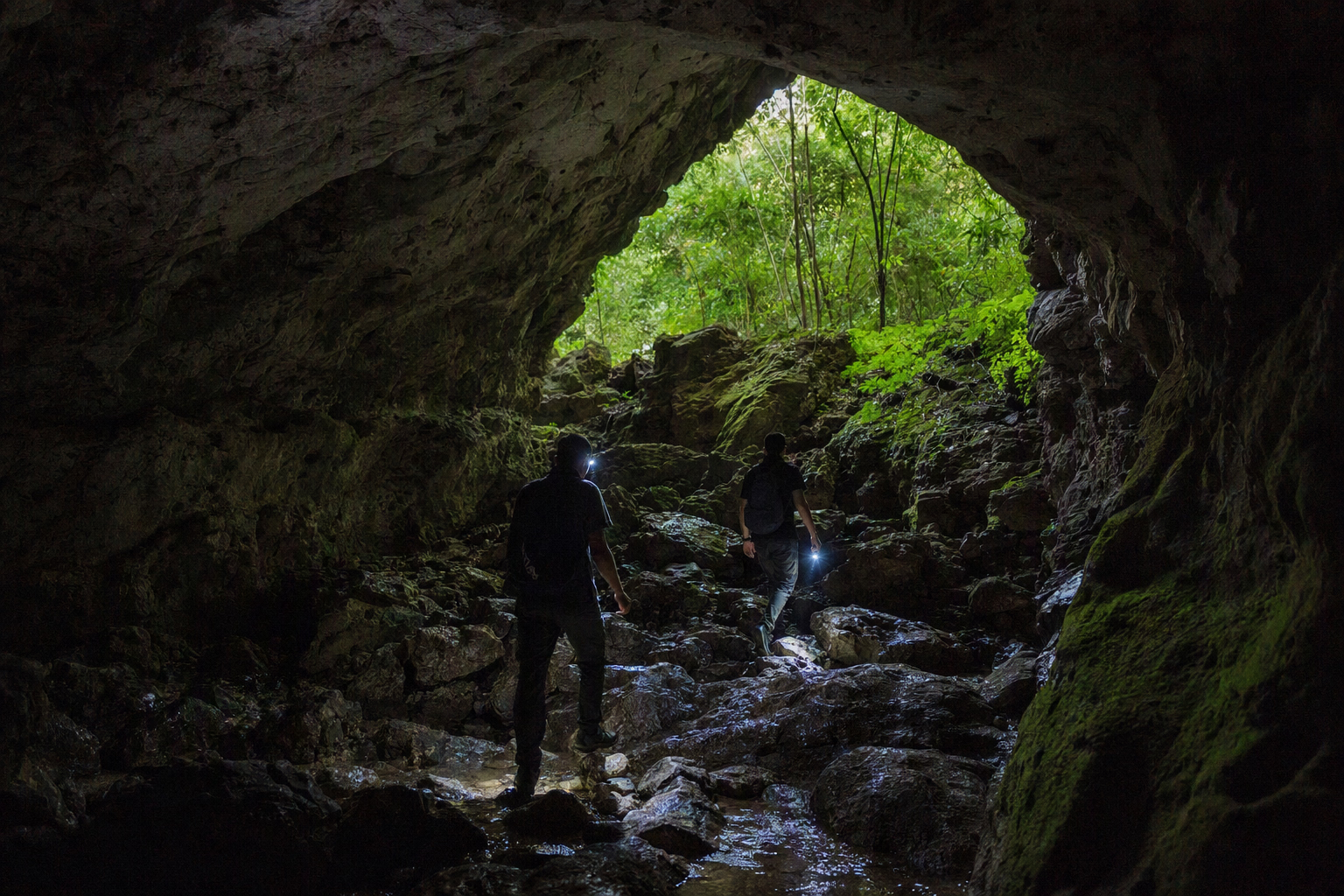
Alutila Tourist Centre and Cave is a well-known Khagrachari visitor stop, but the cave experience is not equally comfortable for every traveller. The useful question is not only “Can we go?” It is “Can everyone in our group manage a dark, enclosed and potentially slippery passage safely today?”
Opening access, entry charges, approved lighting arrangements and passage conditions can change. Follow the current instructions from the responsible on-site authority. This guide does not replace those instructions.
Before leaving town
- Check the same-day weather and whether the cave route is open to visitors.
- Wear closed footwear with reliable grip. Avoid smooth sandals for damp steps or rock.
- Discuss darkness, enclosed spaces and stairs with every group member.
- Carry drinking water, but keep both hands available where balance matters.
- Build enough time to enjoy the surrounding tourist-centre landscape without rushing the cave.
A sensible visit sequence
1. Read the current instructions
Do not assume an old blog, fare or lighting practice is still valid. Ask what route is permitted, how visitors should enter, and whether any part is temporarily restricted.
2. Pause before the descent
Let eyes adjust, secure loose items and decide who may prefer to wait outside. A traveller can enjoy the wider site without completing the cave passage.
3. Move at the slowest person’s pace
Keep space between visitors, use handrails where available and avoid stopping the group in a narrow or dark section for photographs.
4. Exit and regroup
Count the group, take a water break and check onward timing. Do not stack another physically demanding stop immediately if anyone feels tired or unsteady.
Lighting without creating another hazard
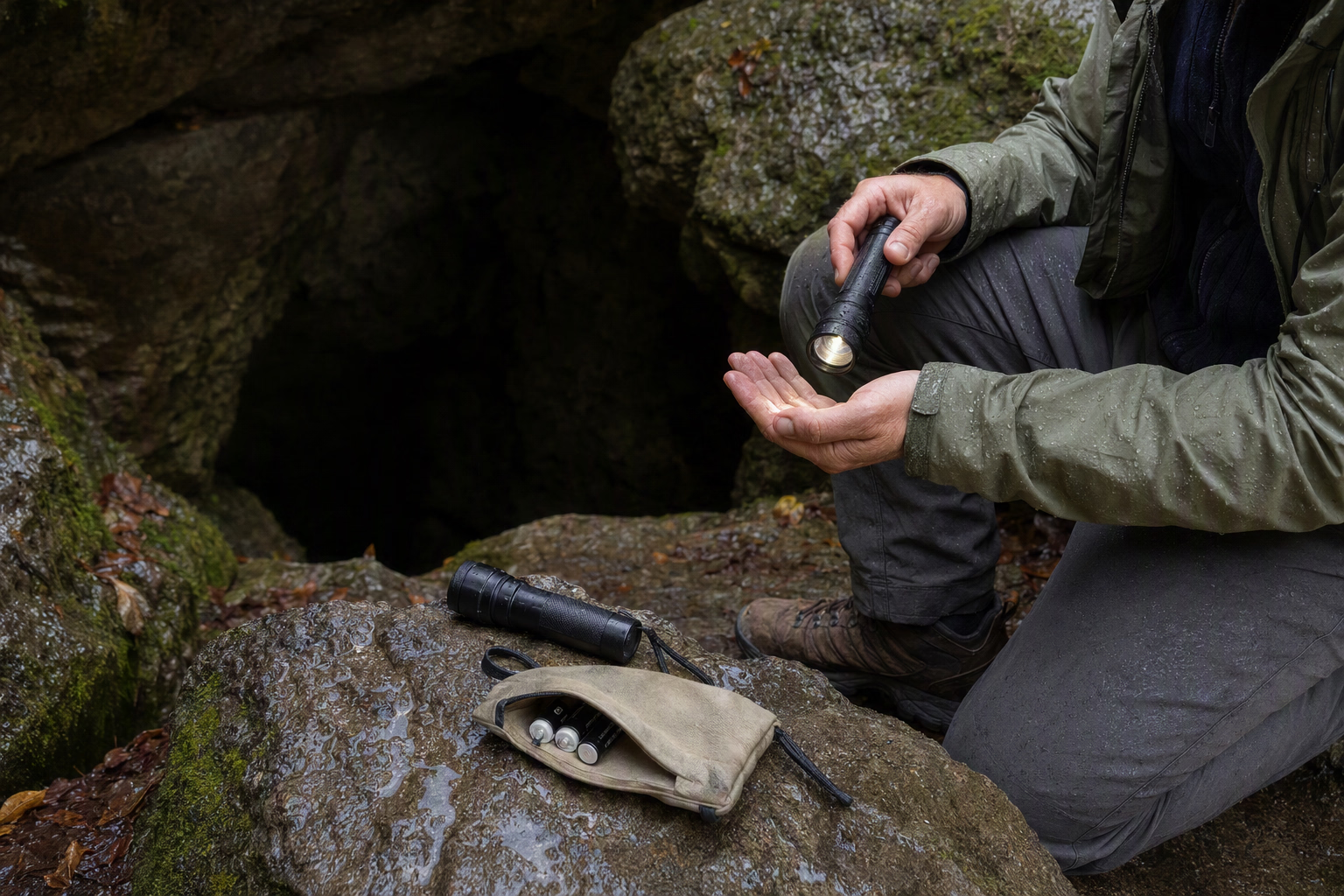
Use only the lighting method currently allowed on site. A charged personal torch can be a useful backup if permitted, but it should not be used to blind other visitors. Do not introduce an open flame, smoke or improvised lighting against on-site rules. Keep one hand free rather than filming continuously.
Is the cave a good fit for your group?
| Traveller context | Questions to ask | Possible alternative |
|---|---|---|
| Young children | Can they follow instructions, manage darkness and walk without being carried on slippery sections? | Enjoy the surrounding centre and views with an adult. |
| Older adults or limited mobility | Are the current stairs, handholds and return route manageable? | Choose an accessible part of the site or another low-walking destination. |
| Claustrophobia or anxiety | Is there a clear option to turn back, and does the visitor genuinely want to enter? | Skip the passage without pressure. |
| Rainy conditions | Has water, mud or access advice changed today? | Use a weather-safe town or garden plan. |
Compact packing list
- Closed, grippy footwear
- Small personal light only if permitted
- Water and personal medicine
- A secure cross-body or compact backpack
- Rain protection in unsettled weather
- A dry pouch for phone and documents
Responsible cave conduct
Stay on the permitted route, avoid touching or removing natural surfaces, keep noise controlled, take all waste away and never write on rock or built structures. Ask before photographing staff, vendors or other visitors.
Time, transport and costs
Transport fares, opening arrangements and entry-related charges are time-sensitive. Confirm them close to the visit. If you hire local transport, agree the pickup point, waiting time and return arrangement before setting out. See the Alutila destination guide for a route-planning overview.
What to pair with Alutila
Avoid turning the day into a race. Depending on daylight, weather and group energy, pair the visit with one lighter stop such as a town viewpoint, market visit or planned meal break. For an active waterfall day, keep a separate safety check and a generous buffer.
Field note
The best cave photo is not worth blocking the route
Low light encourages long stops and phone use. Keep narrow sections moving, avoid bright flashes into other visitors’ eyes and wait for a safe open area before checking images.